
Sustainable Art Materials for Environmentally Conscious Artists: Embracing Eco-Friendly Art Supplies
by Lon Levin, BFA & Gregg Anthony Masters, MPH**
Creating art is a deeply personal, discontinuous, if not mystical journey and organic path that often connects us to, and engages us with, the world of people, places, things, ideas, culture and institutions we encounter daily. As artists, we have a unique opportunity to express not only our creativity but also our values.
Choosing eco-friendly art supplies is one way to recognize and honor the planet while nurturing and refining our craft. Imagine the vibrant colors of your palette, the texture of your canvas, and the scent of natural pigments, all sourced with care for the environment. This writing explores the mindfulness of how to make your art practice more sustainable without compromising quality, inspiration or 'arrows in your quiver'.
Why Choose Eco-Friendly Art Supplies?
When I, Lon Levin, first started exploring sustainable options, I was surprised by how many traditional art materials contain harmful chemicals or are packaged in non-recyclable plastics. These materials are known to pollute waterways, strain marine ecosystems, contribute to landfill waste, and even affect public health. Switching to eco-friendly art supplies means reducing your carbon footprint and supporting a healthier planet.
But what exactly makes art supplies eco-friendly? Here are some key features:
Made from renewable or recycled materials
Non-toxic and biodegradable ingredients
Minimal or recyclable packaging
Produced with low environmental impact processes
By choosing these materials, you not only protect the environment but also create art that feels more connected to nature. Plus, many eco-friendly products offer unique textures and colors that can inspire new creative directions.
Exploring Eco-Friendly Art Supplies: What’s Available?
The good news is that the market for sustainable art materials has grown significantly. Here are some categories and examples to consider:
Paints and Pigments
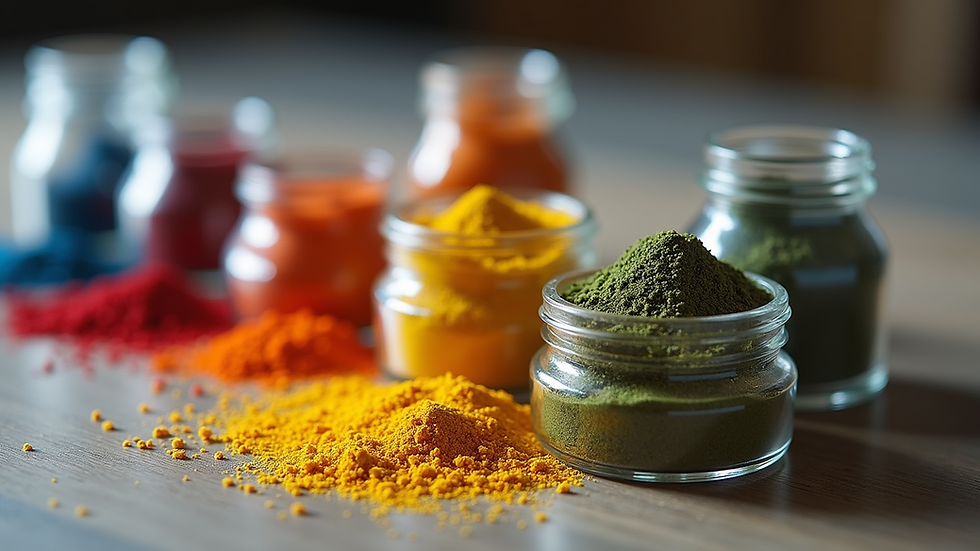
Natural earth pigments: Derived from minerals and clays, these pigments offer rich, earthy tones.
Plant-based dyes: Made from flowers, leaves, and roots, these dyes provide vibrant, organic colors.
Water-based paints: These paints have fewer volatile organic compounds (VOCs) and are safer for both artists and the environment.
Paper and Canvas
Recycled paper: Look for acid-free, 100% recycled paper for sketching and watercolor.
Organic cotton canvas: Grown without pesticides, organic cotton is a sustainable alternative to conventional canvas.
Hemp paper and canvas: Hemp grows quickly and requires less water, making it an eco-friendly fiber choice.
Brushes and Tools
Bamboo handles: Bamboo is fast-growing and biodegradable, making it a great material for brush handles.
Natural bristles: Sourced ethically from animals or plant fibers, these bristles avoid synthetic plastics.
Recycled metal ferrules: Some brushes use recycled metals, reducing mining impact.
Adhesives and Mediums
Plant-based glues: Made from natural starches or resins, these adhesives are non-toxic and biodegradable.
Beeswax and soy wax: Used in encaustic painting or as mediums, these waxes are renewable and eco-friendly.
Packaging and Storage
Choose products with minimal packaging or packaging made from recycled materials.
Reuse containers and jars whenever possible to reduce waste.
By integrating these materials into your practice and routines, you contribute to a cumulative cycle of sustainability that respects the earth’s resources.
How to Transition to Sustainable Art Materials
Behavior change is hard. Switching to eco-friendly art supplies can feel overwhelming at first. Where do you start? Here’s a simple plan that can facilitate the transition:
Assess your current supplies: Identify which materials you use most and research their environmental impact.
Start small: Replace one category at a time, such as switching to recycled paper or natural pigments.
Experiment and learn: Try new materials in small projects to understand their properties and how they affect your work.
Connect with like-minded artists: Join communities focused on sustainable art for artists to share tips and resources. Like comment and share the content from blogs like ours!
Support ethical brands: Choose companies committed to transparency and environmental responsibility.
Remember, every small change counts. Even swapping out a few brushes or paints can make a difference.

The Artistic Benefits of Sustainable Materials
Beyond environmental impact, sustainable art materials offer unique creative advantages. Have you noticed how natural pigments have a depth and warmth that synthetic colors sometimes lack? Or how handmade recycled paper adds texture and character to your sketches?
Using eco-friendly supplies can:
Inspire new techniques and styles
Encourage mindfulness and intentionality in your process
Connect you more deeply to the natural world
Enhance the storytelling aspect of your art by embedding sustainability into your message
In my own work, I’ve found that choosing sustainable materials sparks fresh ideas and a renewed passion for creating. It’s a way to honor both the art and the earth.
Practical Tips for Sustainable Art Practices
Sustainability goes beyond materials. Here are some actionable tips to make your entire art practice greener:
Reduce waste: Use every scrap of paper or canvas and recycle what you can.
Use natural light: Save energy by working near windows during the day.
Choose non-toxic cleaning methods: Clean brushes with natural soaps instead of harsh chemicals.
Donate or repurpose old supplies: Share unused materials with schools or community centers.
Plan projects carefully: Avoid overproduction and create with intention.
By adopting these habits, you create a holistic approach to sustainability that complements your choice of eco-friendly art supplies.
Embracing a Greener Artistic Future
ArtToday.tv is dedicated to supporting artists who care about climate and ocean health. By choosing sustainable art materials, you join a growing movement that values creativity and conservation equally. Whether you’re painting, drawing, or crafting, your choices ripple outward—impacting communities, ecosystems, and future generations.
If you want to dive deeper into this topic, explore resources on sustainable art for artists to discover more ways to align your passion with your principles.
Together, we can create art that not only moves hearts but also nurtures the planet. Let your next masterpiece be a testament to beauty, responsibility, and hope.
==##==
** AI Use & Editorial Standards Disclosure. In producing this content, the authors employ AI language tools in a defined supporting role: (1) Research aggregation: surfacing relevant source material and authoritative references across peer-reviewed, institutional, and journalistic databases; (2) Structural organization: proposing content architecture and draft sequencing; (3) Draft suggestion: generating candidate language for author review. The authors retain sole editorial responsibility for all published content. Every citation is independently confirmed as accurate and accessible prior to publication. No headlines, pull quotes, or factual claims are published without author verification. AI-generated language is treated as raw material then recast entirely in the authors' established voices and subject-matter expertise before any content reaches publication. This workflow reflects the authors' commitment to the standard that AI serve the author, not replace the author.


Comments